Exploring the Art of Pottery and Wildlife Photography
Pottery and wildlife photography may seem like two distinct worlds, but they share a common thread: creativity. Both disciplines require a keen eye for detail, a deep appreciation for nature, and a willingness to experiment. In this blog post, we will delve into the art of pottery and wildlife photography, exploring their techniques, tools, and the unique ways they can inspire one another.
The Allure of Pottery
Understanding Pottery
Pottery is one of the oldest human crafts, dating back thousands of years. It involves shaping clay into functional or decorative objects, which are then fired in a kiln to harden. The beauty of pottery lies in its versatility. From simple bowls to intricate sculptures, the possibilities are endless.
Techniques in Pottery
Hand Building: This technique involves shaping clay by hand without the use of a potter's wheel. Common methods include pinch pots, coil building, and slab construction. Each method allows for unique textures and forms.
Wheel Throwing: Using a potter's wheel, artists can create symmetrical pieces with speed and precision. This technique requires practice and skill, as the potter must control the clay's movement while shaping it.
Glazing: After shaping and firing, pottery can be glazed to add color and finish. Glazes can be glossy, matte, or textured, and they react differently during the firing process, creating unique effects.
Tools of the Trade
Potter's Wheel: Essential for wheel throwing, this tool allows for the creation of uniform shapes.
Kiln: A furnace used to fire pottery, reaching high temperatures to harden the clay.
Clay Tools: Various tools, such as rib tools, trimming tools, and sponges, help shape and refine the pottery.
Inspiration from Nature
Many potters draw inspiration from the natural world. The colors, shapes, and textures found in nature can influence the designs and glazes used in pottery. For example, a potter might create a piece that mimics the organic lines of tree bark or the vibrant hues of a sunset.
The World of Wildlife Photography
Capturing Nature's Beauty
Wildlife photography is the art of capturing images of animals in their natural habitats. This genre of photography requires patience, skill, and a deep understanding of animal behavior. The goal is to portray the beauty and majesty of wildlife while respecting their environment.
Techniques in Wildlife Photography
Understanding Animal Behavior: Successful wildlife photographers spend time observing animals to learn their habits. This knowledge helps in anticipating actions and capturing the perfect moment.
Camera Settings: Wildlife photography often requires fast shutter speeds to freeze motion. Photographers must also consider aperture and ISO settings to adapt to varying light conditions.
Composition: Good composition is key to impactful wildlife images. Techniques such as the rule of thirds, leading lines, and framing can enhance the visual appeal of a photograph.
Essential Gear
Camera: A DSLR or mirrorless camera with a fast autofocus system is ideal for wildlife photography.
Lenses: Telephoto lenses allow photographers to capture distant subjects without disturbing them.
Tripod: A sturdy tripod stabilizes the camera for sharp images, especially in low light.
Finding Inspiration in Pottery
Wildlife photographers can find inspiration in pottery by exploring the textures and forms that mimic animal features. For instance, a photographer might notice the intricate patterns on a bird's feathers and seek to replicate those in a ceramic piece. Conversely, potters can draw from the dynamic poses of animals to create sculptures that capture movement and grace.
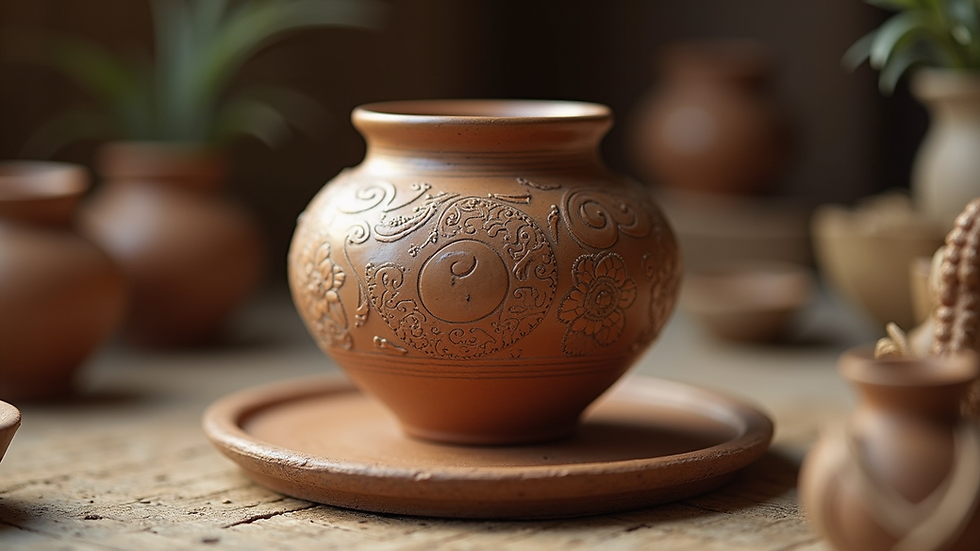
The Intersection of Pottery and Wildlife Photography
Creative Cross-Pollination
Both pottery and wildlife photography thrive on creativity and observation. Artists in both fields can benefit from exploring each other's work. For example, a potter might attend a wildlife photography exhibit to gain insights into color palettes and forms that can be translated into their ceramic designs.
Workshops and Collaborations
Participating in workshops that combine pottery and wildlife photography can be a rewarding experience. These events often encourage participants to explore both mediums, fostering a deeper appreciation for the natural world. Collaborations between potters and photographers can lead to unique projects, such as creating ceramic pieces inspired by specific wildlife images.
Exhibiting Art
Exhibiting pottery alongside wildlife photography can create a captivating experience for viewers. The juxtaposition of the two art forms highlights the beauty of nature and the skill of the artists. Galleries can host themed exhibitions that celebrate both disciplines, drawing in audiences who appreciate the connection between art and nature.
Practical Tips for Aspiring Artists
For Potters
Experiment with Textures: Use natural materials like leaves or stones to imprint textures onto your pottery.
Study Nature: Spend time outdoors observing plants and animals. Take notes or sketches to inspire your designs.
Join a Community: Connect with other potters to share techniques and ideas. Online forums and local classes can provide valuable support.
For Wildlife Photographers
Practice Patience: Wildlife photography often requires long waits. Be prepared to spend time in the field to capture the perfect shot.
Learn from Others: Attend workshops or join photography clubs to learn new techniques and gain feedback on your work.
Respect Wildlife: Always prioritize the well-being of animals and their habitats. Use ethical practices when photographing wildlife.
Conclusion
The art of pottery and wildlife photography offers endless opportunities for creativity and expression. By exploring the techniques, tools, and inspirations found in both fields, artists can deepen their appreciation for nature and enhance their skills. Whether you are a potter looking to incorporate wildlife themes into your work or a photographer seeking to capture the beauty of crafted ceramics, the intersection of these two art forms can lead to exciting new possibilities. Embrace the journey, and let your creativity flourish.
Comments